What Happens When Water Mixes with Oil in a Car Engine
When water mixes with oil in a car engine, it creates a harmful emulsion that destroys lubrication and risks engine seizure. You will notice milky oil, white smoke, and overheating. This guide explains the causes, symptoms, and repair steps to protect your vehicle from expensive damage.
When water mixes with oil in a car engine, the results can be devastating. The mixture loses its ability to lubricate moving parts, leading to friction, heat, and eventual engine failure. You might see a milky brown dipstick or white smoke puffing from the exhaust. This article walks you through exactly what happens, why it occurs, and how to fix it before the damage becomes permanent.
Water and oil do not mix. In a healthy engine, oil flows through dedicated galleries while coolant circulates in a separate system. When these two fluids meet, they form an emulsified sludge that clogs passages and strips away protective films. Understanding this process helps you act fast and avoid a totaled vehicle.
Key Takeaways
- Milky oil is a red flag: A milky brown residue on the dipstick means water has entered the oil system and needs immediate attention.
- Head gasket failure is a common cause: A blown head gasket allows coolant to leak into the oil galleries, leading to serious contamination.
- Driving with water in oil can seize the engine: The mixture loses its lubricating ability, causing metal-on-metal contact and catastrophic damage.
- Early detection saves money: Catching the problem quickly often means a simple oil flush instead of a full engine rebuild.
- Prevention is simple: Regular oil changes, checking coolant levels, and monitoring engine temperature help keep water out of your oil.
📑 Table of Contents
- Introduction
- What Happens When Water Mixes with Oil in a Car Engine
- How Water Gets into Your Car’s Oil System
- Warning Signs That Water Has Mixed with Oil
- What Happens to Your Engine When Oil and Water Mix
- How to Diagnose and Confirm the Contamination
- Repair Options and Cost Considerations
- Quick Tips: Preventing Water Contamination
- Common Mistakes Drivers Make
- Expert Insights: What Mechanics Want You to Know
- Conclusion
Introduction
Many car owners ignore early warning signs until the engine makes strange noises. Water in the oil is one of those silent threats that can turn a small repair into a major engine replacement. The good news is that catching the problem early gives you the best chance of a simple fix.
Here you will learn the exact causes of water-oil mixing, the symptoms to watch for, and the step-by-step repair options. We also share quick tips to prevent this issue from happening again. Let us dive in and protect your engine.
What Happens When Water Mixes with Oil in a Car Engine
When water enters the oil system, it disrupts the oil film that protects metal surfaces. The oil becomes emulsified, turning into a milky brown slurry that cannot flow properly. This slurry fails to reduce friction, causing parts like the crankshaft and camshaft to grind against each other.
The mixture also promotes corrosion inside the engine. Water reacts with iron and steel components, creating rust particles that float in the oil. These abrasive particles accelerate wear on the oil filter, bearings, and cylinder walls. Over time, the oil loses its viscosity and the engine overheats.
How the Emulsion Forms
The emulsion is a stable mixture of oil and tiny water droplets. It looks like a chocolate milkshake on the dipstick. This mixture cannot be separated by the oil filter, so it circulates throughout the engine. The result is poor lubrication and increased wear on all moving parts.
Why Coolant Leaks Are So Dangerous
Coolant contains glycol and water. When it mixes with oil, it creates a sticky residue that coats internal surfaces. This residue blocks the oil gallery and prevents oil from reaching critical areas like the piston rings and valve train. The engine starves for oil even if the level looks normal.
How Water Gets into Your Car’s Oil System
Water does not just appear in the oil. It enters through specific failure points in the engine. Understanding these entry points helps you diagnose the root cause and prevent future leaks.
Coolant Leak Through a Blown Head Gasket
The head gasket sits between the engine block and the cylinder head. It seals the coolant passages and oil galleries. When this gasket fails, coolant can seep into the oil channels. This is the most common reason water mixes with oil. You might notice coolant loss without any visible external leak.
Cracked Cylinder Head or Engine Block
Overheating can cause the cylinder head to crack. These cracks create a direct path between the coolant jacket and the oil gallery. Even a tiny crack allows water to seep in under pressure. A cracked engine block is a more severe issue that often requires a full engine replacement.
Condensation Build-Up in the Crankcase
In humid climates or with frequent short trips, condensation can form inside the crankcase. The heat from the engine normally evaporates this moisture. If you rarely drive long distances, the water accumulates and mixes with the oil. This is a mild form of contamination that a frequent oil change can fix.
Damaged Piston Rings or Cylinder Walls
Worn piston rings can allow combustion gases and coolant to enter the crankcase. The pressure difference draws moisture past the rings and into the oil. This often happens alongside other engine wear symptoms like blue smoke and oil consumption.
Warning Signs That Water Has Mixed with Oil
Your car gives several clear signals when water enters the oil system. Recognizing these signs early can save you from a complete engine failure.
Milky or Frothy Oil on the Dipstick
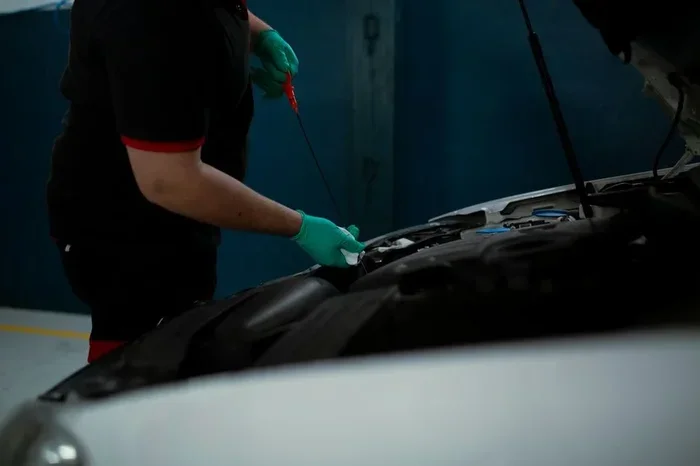
Pull the dipstick and look at the oil color. Healthy oil is amber or brown. If you see a milky brown or tan residue, water is present. The oil may also look frothy or bubbly, similar to a milkshake. This is one of the most obvious symptoms of water-oil mixing.
White Smoke From the Exhaust
Water burning in the combustion chamber produces thick white smoke. This smoke often smells sweet, like coolant. If you see constant white smoke, especially on startup, the engine is likely burning coolant that has mixed with oil or entered the cylinder directly.
Overheating and Temperature Gauge Spikes
Water in the oil reduces the oil’s ability to absorb heat. The engine runs hotter than normal. You might notice the temperature gauge climbing into the red zone during normal driving. This overheating accelerates the damage and can warp the cylinder head.
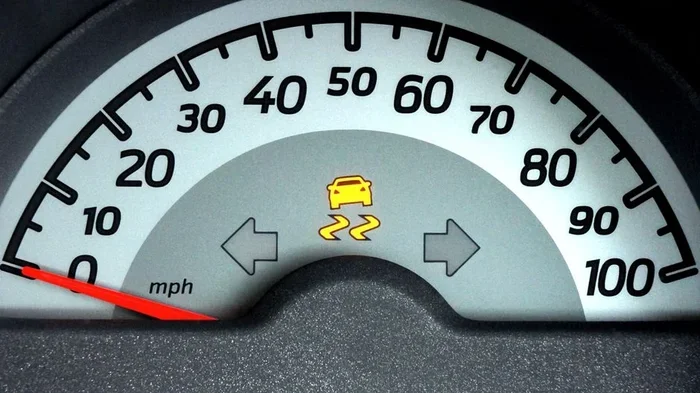
Oil Pressure Warning Light
The emulsified oil is thicker and cannot flow through narrow passages easily. This causes a drop in oil pressure. The warning light on the dashboard illuminates, signaling that the engine is not receiving proper lubrication.
What Happens to Your Engine When Oil and Water Mix
The effects of water contamination are progressive and destructive. The longer you drive with the mixture, the worse the damage becomes.
Loss of Lubrication and Increased Friction
Oil relies on a thin film to separate metal surfaces. Water breaks this film and creates metal-on-metal contact. The bearings, cam lobes, and piston pins wear out rapidly. You will hear knocking sounds from the engine as the clearances increase.
Sludge Formation and Oil Passage Clogging
The emulsified oil turns into sludge that sticks to the inside of the oil gallery. This sludge blocks the tiny passages that deliver oil to the valve train and piston rings. The engine starves for oil in critical areas, leading to hot spots and scoring on the cylinder walls.
Corrosion of Internal Components
Water causes rust to form on iron and steel parts. The rust flakes off and acts as an abrasive in the oil. This abrasive mix accelerates wear on the oil pump, bearings, and camshaft. The oil filter becomes clogged with rust particles and debris, further restricting oil flow.
Engine Seizure
In severe cases, the lack of lubrication causes the engine to seize. The pistons weld themselves to the cylinder walls. A seized engine means the vehicle stops dead and requires a full rebuild or replacement. This is the worst-case scenario and often happens when drivers ignore the milky oil warning.
How to Diagnose and Confirm the Contamination
Do not guess when you suspect water in the oil. Use these simple diagnostic steps to confirm the problem.
The Dipstick Test
With the engine cool, pull the dipstick and wipe it clean. Reinsert it fully and remove it again. Look at the oil color. A milky brown or tan appearance indicates water contamination. You can also place a drop of oil on a white paper towel. If the oil spreads with a brown center and a yellow halo, water is present.
Check the Coolant Reservoir
Look at the coolant level in the overflow tank. If the level drops without any visible external leak, the coolant may be entering the oil system. You might also notice bubbles in the coolant reservoir when the engine is running, indicating combustion gases are leaking into the cooling system.
Oil Sample Analysis
For a definitive answer, take a small oil sample to a trusted mechanic or lab. They can perform a water content test and check for fuel dilution. This analysis reveals the exact percentage of water in the oil and helps determine the severity of the contamination.
Repair Options and Cost Considerations
The repair method depends on how long the water has been in the oil and the extent of the damage. Here are the common repair paths.
| Repair Option | Best For | Approximate Cost |
|---|---|---|
| Oil Drain, Flush, and Filter Change | Minor condensation or early detection | $100 – $300 |
| Head Gasket Replacement | Blown head gasket with coolant leak | $1,000 – $2,500 |
| Cylinder Head Resurfacing or Replacement | Cracked cylinder head | $500 – $2,000 |
| Engine Rebuild or Replacement | Seized engine or severe internal damage | $3,000 – $7,000+ |
Oil Change and Flushing
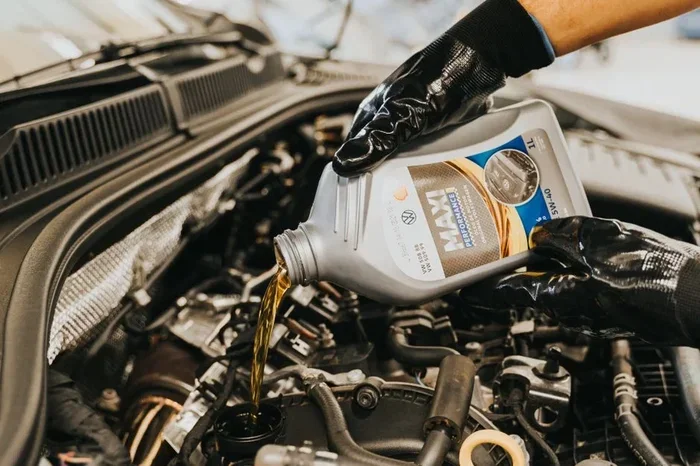
If you catch the problem early and the engine has not run for long with contaminated oil, a complete oil flush might be enough. The mechanic will drain the old oil, flush the oil gallery with a cleaning solvent, replace the oil filter, and refill with fresh oil. This procedure removes the emulsified sludge and restores proper lubrication.
Head Gasket Replacement
A blown head gasket requires removing the cylinder head. The mechanic replaces the gasket and often resurfaces the head to ensure a flat seal. This repair also involves replacing the thermostat, coolant hoses, and spark plugs. It is labor-intensive but effective at stopping the coolant leak.
Engine Rebuild or Replacement
When the engine has seized or suffered severe scoring, a rebuild is necessary. The mechanic disassembles the engine, inspects all components, and replaces worn bearings, piston rings, and cylinder walls. In many cases, a remanufactured engine is swapped in to save time and money.
Quick Tips: Preventing Water Contamination
- Check your coolant level weekly: A sudden drop often indicates an internal leak that could introduce water into the oil.
- Avoid short trips when possible: Longer drives allow the engine to reach full operating temperature and evaporate condensation.
- Change your oil regularly: Fresh oil absorbs moisture and carries it to the oil filter. Old oil loses this ability and promotes sludge.
- Monitor the temperature gauge: Overheating is the leading cause of head gasket failure and cracked heads. Pull over immediately if the gauge climbs.
- Use high-quality coolant: Quality coolant contains corrosion inhibitors that protect the internal passages and reduce the risk of leaks.
Common Mistakes Drivers Make
Many drivers make choices that worsen the damage when water mixes with oil. Avoid these common errors.
Mistake 1: Ignoring the milky oil. Some owners top off the oil and keep driving. This spreads the contamination and accelerates wear. The oil cannot protect the engine when it contains water.
Mistake 2: Adding more coolant to mask the loss. If you keep adding coolant without finding the leak, you push more water into the oil system. This creates a vicious cycle of contamination and overheating.
Mistake 3: Using the wrong oil flush. Harsh chemical flushes can damage already worn seals and gaskets. Always use a mechanic-recommended flush or simply perform a full oil change with new filter.
Expert Insights: What Mechanics Want You to Know
Experienced technicians see this problem often and offer a few key insights. First, never assume the milky oil will fix itself. The water will not evaporate on its own inside the crankcase. Second, a compression test is essential after any head gasket repair to ensure the seal holds. Third, always replace the oil filter when dealing with contamination, because the filter traps the emulsified sludge and rust particles.
Mechanics also stress the importance of addressing the root cause. Simply changing the oil without fixing the coolant leak means the problem will return within days. A thorough diagnosis saves money and prevents repeat repairs.
Conclusion
Water mixes with oil in a car engine through specific failures like a blown head gasket, cracked head, or condensation buildup. The mixture creates a milky sludge that destroys lubrication, causes overheating, and can lead to a seized engine. You must act quickly by checking the dipstick, watching for white smoke, and seeking professional diagnosis.
Early detection gives you the best chance of a simple oil flush and repair. Regular maintenance, coolant monitoring, and attentive driving habits keep water out of your oil system. Protect your engine today by addressing any signs of contamination immediately.
Frequently Asked Questions
Can I still drive my car if the oil looks milky?
No, driving with milky oil risks severe engine damage. The emulsified oil cannot lubricate properly, leading to metal-on-metal contact. Have the vehicle towed to a repair shop and avoid starting the engine if possible.
How much does it cost to fix water in the oil?
The cost ranges from $100 for a simple oil flush to $7,000 or more for an engine replacement. The exact cost depends on the cause, the extent of damage, and your vehicle model. Early diagnosis always saves money.
Will a head gasket replacement fix the water-oil mixing problem?
Yes, if the blown head gasket is the sole cause. The mechanic replaces the gasket, resurfaces the head, and flushes the oil system. This restores the seal between the coolant and oil passages and prevents further contamination.
How can I tell if the white smoke is from a coolant leak or normal condensation?
Normal condensation produces a small amount of white smoke on cold mornings that disappears quickly. Coolant burning produces thick, constant white smoke with a sweet smell. If the smoke persists after the engine warms up, suspect a coolant leak.
Can water in oil damage the catalytic converter?
Yes, water can cause the catalytic converter to overheat and fail. The water alters the combustion process and can create excess moisture in the exhaust. This leads to melting of the converter substrate and expensive replacement.
Is it safe to just add more oil to dilute the water?
No, adding oil does not fix the problem. The water remains in the system and continues to cause corrosion and sludge. The oil becomes diluted and loses its protective additives. Always drain the contaminated oil completely and replace the filter.