The Craftmans Ship Behind Maserati
The craftsmanship behind Maserati is what turns a great car into an unforgettable experience. Every Maserati luxury car is shaped by skilled hands, premium materials, and decades of Italian car manufacturing tradition. From the hand-built engine to the artisan leather stitching inside the cabin, no detail is overlooked. This article dives deep into the Maserati production process and reveals why Maserati craftsmanship stands above the rest. If you have ever wondered what makes a Maserati feel so special, you are in the right place.
Key Takeaways
- The human touch matters: Maserati still relies on skilled artisans and hand-building techniques that robots cannot replicate.
- Italian heritage drives every design: The trident logo, design language, and factory location all reflect deep roots in Italian culture.
- Premium materials define the interior: Hand-stitched leather, carbon fiber, and bespoke trim set Maserati apart from competitors.
- Racing DNA shapes every road car: Decades of motorsport success flow directly into engine tuning and engineering decisions.
- Quality control is strict: Every Maserati goes through rigorous testing before it reaches the customer.
- Customization is a core strength: Buyers can personalize almost every aspect of their Maserati experience.
- The craftsmanship behind Maserati is worth experiencing firsthand: A factory tour or test drive reveals what sets this brand apart.
📑 Table of Contents
- The Craftsmanship Behind Maserati: Why It Matters
- Inside the Maserati Factory: Where the Magic Happens
- Italian Design Heritage: The Soul of Maserati
- Materials and Interior Craftsmanship
- Racing Legacy Meets Road Cars
- How Maserati Compares to Other Luxury Brands
- Quick Tips for Appreciating Maserati Craftsmanship
- Common Mistakes People Make When Buying a Maserati
- Conclusion
The Craftsmanship Behind Maserati: Why It Matters
When you think about the craftsmanship behind Maserati, what comes to mind? Most people picture sleek lines, roaring engines, and a certain Italian flair that you just cannot find anywhere else. But there is so much more to it than that.
The craftsmanship behind Maserati is what turns a car into a statement. It is not just about moving from point A to point B. It is about the feeling you get when you sit behind the wheel. It is about knowing that real hands built your car with real care.
Every Maserati luxury car tells a story. That story starts in the factory and ends on the road. And every step in between is filled with attention to detail that most car makers simply skip.
What Sets Maserati Apart
So what makes Italian car manufacturing at Maserati so special? The answer is simple: pride. Workers at Maserati do not just assemble parts. They put their heart into every single vehicle that rolls off the line.
Unlike mass-market brands that rely heavily on robots, Maserati still uses a mix of human skill and modern technology. This hand-built engine approach means no two cars are exactly the same. Small differences make each one unique.
Here are a few things that set Maserati craftsmanship apart from the rest:
- Every Maserati engine is tuned by hand
- Interior materials are picked by expert designers
- Each car goes through multiple quality checks
- Workers are trained for years before they touch a real vehicle
- The Maserati production process takes longer than most competitors
All of this adds up to a driving experience that feels personal. You are not just buying a car. You are joining a tradition of Italian automotive excellence that has been going strong for nearly a century.
Why Hand-Built Still Matters in 2024
In a world full of automated factories, you might wonder why hand-building still matters. The truth is, machines can do a lot. But they cannot replicate the feel of a craftsman who knows what a perfect seam should look like.
When it comes to premium automotive engineering, the human touch is irreplaceable. A worker can feel when something is slightly off. A machine might not catch that. And that is exactly why Maserati hand-built cars have such a loyal following.
Think about it this way. Would you rather have a meal cooked by a machine or by a chef who has spent years perfecting their craft? Most people would choose the chef. The same logic applies to car making.
Quick Tip: If you ever get a chance to visit a Maserati factory, take it. Seeing the Maserati assembly line in person gives you a whole new appreciation for the work that goes into each car.
Inside the Maserati Factory: Where the Magic Happens
The Maserati factory is located in Modena, Italy. This city is known as the heart of Italian car culture. Ferrari, Pagani, and De Tomaso are all nearby. So you know the talent is there.
A Look at the Production Line
The Maserati assembly line is a fascinating place. Workers move from station to station, adding parts and checking details. Each station has a specific job. One worker might focus on the engine while another handles the interior.
The Maserati production process is slow by design. Speed is not the goal. Precision is. Every bolt is tightened to exact specs. Every panel is aligned perfectly. This attention to detail is what makes Maserati luxury cars stand out.
Quality Control: Nothing Leaves Without a Fight
Quality control at Maserati is serious business. Each car goes through a long checklist before it is approved. Workers check everything from the paint finish to the engine sound.
Here is what a typical quality check involves:
- Engine performance testing on a dyno
- Interior material inspection for flaws
- Paint thickness and finish review
- Road testing on various terrains
- Final electronics and software check
This Maserati quality control process ensures that every car that leaves the factory is top-notch. There are no shortcuts. No “good enough.” Only the best.
Expert Insight: According to Maserati engineers, the most important part of the quality check is the road test. No amount of factory testing can replace the feel of a real road. Workers say they can tell if something is wrong just by how the car sounds and feels on the open road.
Italian Design Heritage: The Soul of Maserati
Italian design heritage runs deep in everything Maserati does. The curves, the angles, the way light hits the body – it all comes from a long tradition of Italian art and engineering.
The Trident Logo Story
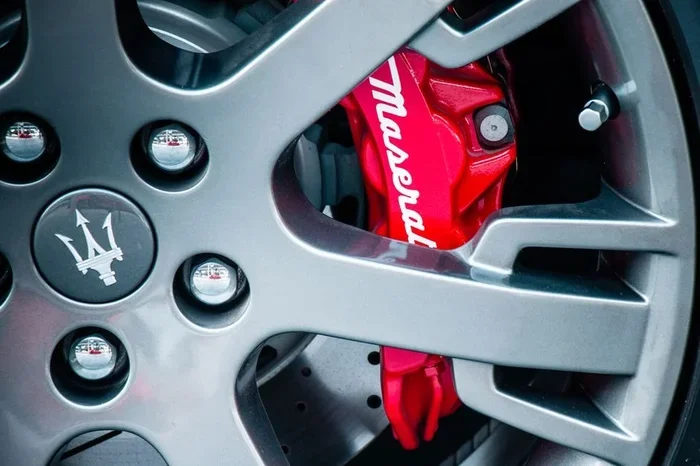
The Maserati trident logo is one of the most recognized symbols in the car world. It was inspired by the Fountain of Neptune in Bologna, Italy. The trident represents strength, elegance, and a connection to the sea.
The trident logo history dates back to 1914 when the Maserati brothers first created it. Over the decades, the logo has evolved slightly but the core design has stayed the same. It is a symbol of Maserati brand heritage that car lovers around the world instantly recognize.
Design Language That Never Gets Old
Maserati’s design language is all about balance. The cars look sporty but also elegant. They are aggressive but never ugly. This balance is what makes Maserati design timeless.
The Maserati GranTurismo and the Maserati Quattroporte are great examples of this design philosophy. Both cars have long hoods, short rear overhangs, and flowing lines that make them look like they are always in motion – even when standing still.
Designers at Maserati draw inspiration from Italian architecture, art, and even fashion. This cross-pollination of ideas is what gives Maserati cars their distinct look. You will not mistake a Maserati for anything else on the road.
Materials and Interior Craftsmanship
The inside of a Maserati is where the artisan craftsmanship really shines. When you open the door, you are greeted by a cabin that feels more like a luxury suite than a car interior.
Leather and Stitching: Every Detail Counts
Artisan leather stitching is one of the hallmarks of a Maserati interior. The leather used in Maserati cars comes from premium tanneries. It is hand-selected for texture, color, and durability.
Workers stitch the leather by hand in many cases. This bespoke interior materials approach means the stitching is always perfect. There are no machine-like inconsistencies. Each stitch is placed with care.
Here are the interior materials you will find in a typical Maserati:
- Hand-stitched premium leather seats
- Real aluminum or carbon fiber trim
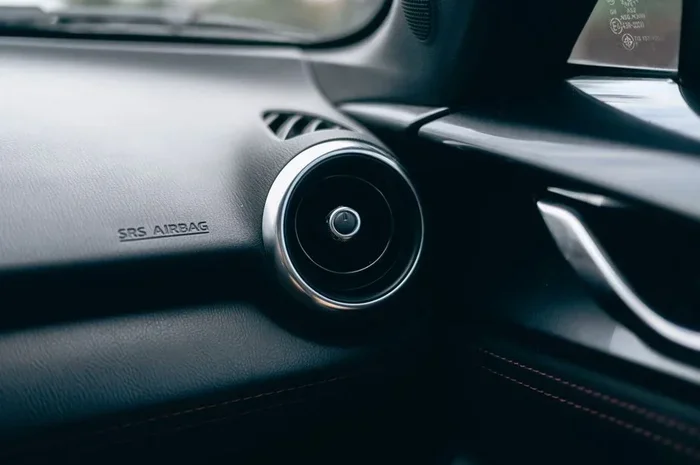
- Soft-touch plastics on the dashboard
- Heated and ventilated seats with massage functions
- Customizable ambient lighting
Carbon Fiber and Lightweight Components
Maserati uses carbon fiber in many of its models to keep weight down. Lighter cars are faster and more responsive. But carbon fiber is also expensive and hard to work with. That is why not every brand uses it.
The luxury vehicle construction at Maserati combines strength with lightness. The body panels are engineered to be both rigid and light. This gives drivers a sporty feel without sacrificing comfort.
Common Mistake: Many buyers focus only on the engine when choosing a Maserati. But the interior quality is just as important. The cabin experience is a huge part of what makes Maserati special. Always sit inside and check the materials before you buy.
Racing Legacy Meets Road Cars
Maserati racing legacy goes all the way back to the 1920s. The company has won races around the world. And that racing DNA is baked into every road car they make.
From the Track to the Street
When Maserati engineers design a new car, they think about racing first. Then they adapt that technology for the road. This means you get a car that feels fast and responsive, even on your daily commute.
The Maserati engine tuning process borrows directly from motorsport. Engineers use data from race cars to fine-tune the engines in road cars. The result is a driving experience that feels exciting but still practical.
Engineering Lessons from the Track
Racing teaches engineers things that no computer simulation can. How does the car handle in the rain? What happens when the temperature drops? These real-world lessons make Maserati road cars better.
Here are some racing technologies that made their way into Maserati road cars:
- Advanced aerodynamics for better downforce
- High-performance braking systems
- Adaptive suspension systems
- Twin-turbo engine designs
- Electronic stability control tuned for sporty driving
This connection between racing and road cars is what makes Maserati engineering so compelling. You are getting technology that was proven on the track, now available for your daily drive.
How Maserati Compares to Other Luxury Brands
So how does Maserati stack up against other luxury car brands? Let us take a look at a side-by-side comparison.
| Feature | Maserati | BMW | Mercedes-Benz |
|---|---|---|---|
| Hand-built elements | Yes, extensive | Limited | Limited |
| Italian heritage | Yes | No (German) | No (German) |
| Starting price range | $75,000 – $110,000 | $55,000 – $90,000 | $60,000 – $100,000 |
| Interior craftsmanship | Bespoke, artisan | Premium, polished | Luxury, refined |
| Racing heritage | Strong, decades of history | Strong, motorsport focus | Moderate, recent push |
| Customization options | Very high | High | High |
As you can see, Maserati holds its own against German giants. The hand-built approach and Italian heritage give it a unique edge. If you value artisan quality over mass production, Maserati is hard to beat.
Quick Tips for Appreciating Maserati Craftsmanship
Want to get the most out of your Maserati ownership experience? Here are some quick tips:
- Learn the history. Understanding the Maserati brand heritage makes every drive more meaningful.
- Visit the factory. A tour of the Modena plant shows you the Maserati assembly line up close.
- Customize your car. Maserati offers extensive personalization. Use it to make your car truly yours.
- Maintain it properly. Regular service keeps the Maserati engine tuning performing at its best.
- Join the community. Maserati owner clubs connect you with other fans who share your passion.
Common Mistakes People Make When Buying a Maserati
Buying a Maserati is exciting. But there are a few mistakes that buyers often make:
- Skipping the test drive. You need to feel the car on the road. The craftsmanship behind Maserati is best experienced behind the wheel.
- Ignoring maintenance costs. Maserati cars are hand-built and use premium parts. Maintenance can cost more than a standard luxury car.
- Not exploring customization. Maserati offers many options. Settling for a base model means missing out on the full Maserati luxury car experience.
- Overlooking resale value. Maseratis hold value well due to their Maserati brand heritage and limited production numbers.
Avoiding these mistakes will help you make a smarter purchase and enjoy your Maserati for years to come.
Conclusion
The craftsmanship behind Maserati is what makes this brand truly special. From the hand-built engines to the artisan leather stitching, every detail matters. Maserati represents the best of Italian car manufacturing and premium automotive engineering.
When you drive a Maserati, you are not just driving a car. You are experiencing decades of Maserati racing legacy, Italian design heritage, and an unwavering commitment to quality. The Maserati production process ensures that every car that leaves the factory is a masterpiece.
If you have ever dreamed of owning a Maserati luxury car, now is the time to explore what this brand has to offer. The craftsmanship behind Maserati is waiting for you. And once you experience it, you will understand why so many car lovers consider Maserati the pinnacle of Italian automotive excellence.
Take the time to appreciate the details. Sit inside and feel the quality. Go for a drive and let the engine sing. The craftsmanship behind Maserati is not just about building cars. It is about creating an experience that stays with you long after you turn the key.
Frequently Asked Questions
What makes Maserati craftsmanship different from other luxury brands?
Maserati relies heavily on hand-building and artisan skills that most competitors have moved away from. The craftsmanship behind Maserati includes hand-stitched leather, hand-tuned engines, and a production process that prioritizes precision over speed. This human-centered approach gives each Maserati a unique character that factory-line cars simply cannot match.
Where is the Maserati factory located and can you visit it?
The main Maserati factory is in Modena, Italy, which is also the heart of Italian car culture. Maserati occasionally offers factory tours and experiences for enthusiasts. Visiting the Maserati assembly line in person is one of the best ways to understand the level of care that goes into each vehicle.
How does the Maserati racing legacy influence its road cars?
Maserati has a racing history that stretches back nearly a century. Technologies developed on the track, from engine tuning to aerodynamics, are adapted for road cars. This Maserati racing legacy means that even a daily-driven Maserati feels connected to the thrill of motorsport.
What materials are used in a Maserati interior?
Maserati interiors feature hand-stitched premium leather, real aluminum or carbon fiber trim, soft-touch plastics, and customizable ambient lighting. The bespoke interior materials and artisan leather stitching are what make the cabin feel like a luxury lounge rather than a standard car interior.
Is the craftsmanship behind Maserati worth the higher price tag?
If you value hand-built quality, Italian design heritage, and a personal driving experience, then yes. The craftsmanship behind Maserati justifies the price through premium materials, extensive customization, and a level of attention to detail that mass-produced luxury cars cannot replicate. Maseratis also tend to hold their value well.
What are the most popular Maserati models known for craftsmanship?
The Maserati Quattroporte and the Maserati GranTurismo are widely regarded as the best examples of Maserati craftsmanship. Both models showcase the brand’s signature design language, hand-built engines, and luxurious interiors. They represent the perfect balance of Italian elegance and sporty performance.