Is a Porsche German Heres Everything You Need to Know
So, is a Porsche German? Yes, Porsche is a German car manufacturer founded in Stuttgart, Germany, by Ferdinand Porsche in 1931. The brand represents German engineering at its finest, with deep roots in the German auto industry. From the iconic 911 to the Cayenne, every Porsche reflects decades of automotive heritage and precision craftsmanship.
If you have ever wondered, “is a Porsche German?” the short answer is yes. Porsche is one of the most recognized luxury sports car brands in the world. But the full story behind the brand goes much deeper than a simple yes or no. The history, the engineering, and the identity of Porsche are all deeply tied to Germany.
In this article, we will explore everything you need to know about Porsche and its German roots. We will look at the brand’s history, where it is made today, and why people around the world still associate Porsche with German quality. Whether you are a car enthusiast or just curious, this guide covers it all.
Key Takeaways
- Porsche is a German brand: Founded in Stuttgart, Germany, by Ferdinand Porsche in 1931.
- Headquarters remain in Germany: Porsche AG is still based in Stuttgart-Zuffenhausen, Germany.
- German engineering is core to the brand: Every Porsche model is designed with precision and performance in mind.
- Some models are assembled elsewhere: Certain Porsche vehicles, like the Cayenne, are built in other countries too.
- Porsche blends heritage with innovation: The brand combines traditional German craftsmanship with modern technology.
- Porsche competes with other European luxury brands: Brands like BMW, Mercedes-Benz, and Audi share the German luxury market.
- Owning a Porsche means owning a piece of automotive history: The brand has a rich racing and design legacy.
📑 Table of Contents
- The History of Porsche and Its German Roots
- Where Is Porsche Made Today?
- Porsche Models and Their German Heritage
- Porsche vs Other European Luxury Brands
- Is Every Porsche Made in Germany?
- Why People Associate Porsche with Germany
- Quick Tips for Prospective Porsche Buyers
- Common Mistakes People Make When Buying a Porsche
- Expert Insights on Porsche and German Automotive Culture
- Key Takeaways
- Conclusion
The History of Porsche and Its German Roots
The story of Porsche begins in the early 20th century. Ferdinand Porsche, born in 1875 in Maffersdorf, Bohemia, was a visionary engineer. He had a passion for cars from a very young age. He worked with several major car companies before deciding to start his own.
In 1931, Ferdinand Porsche founded the Porsche design office in Stuttgart, Germany. At first, the company focused on car design and engineering consulting. It did not build cars under its own name right away. Instead, it helped other companies create vehicles.
Ferdinand Porsche and the Volkswagen Beetle
One of the most important moments in Porsche history was the design of the Volkswagen Beetle. Ferdinand Porsche was commissioned by the German government to design an affordable car for the masses. This car became the Beetle, and it changed the automotive world forever.
The Beetle was a huge success. It proved that German engineering could produce reliable, efficient cars for everyday people. This experience shaped the philosophy that Porsche would carry forward into its own sports cars.
The First Porsche Car: The 356
The first car to carry the Porsche name was the Porsche 356. It rolled out in 1948 and was built in Austria at first. However, the company soon moved production back to Stuttgart, Germany. The 356 was a lightweight, nimble sports car that set the tone for everything Porsche would do next.
The 356 gained a strong reputation among racing enthusiasts and car lovers. Its success laid the foundation for the legendary Porsche 911, which would come just a few years later.
Where Is Porsche Made Today?
Today, Porsche AG is still headquartered in Stuttgart-Zuffenhausen, Germany. This is where the company was founded, and it remains the heart of Porsche operations. The main factory in Zuffenhausen is where the iconic 911 is built.
But Porsche also has production facilities in other locations. For example, the Porsche Cayenne is assembled at the Volkswagen Group factory in Leipzig, Germany. This shows that while Porsche is a German brand, it also works within a larger European manufacturing network.
The Porsche Factory in Stuttgart
The Porsche factory in Stuttgart-Zuffenhausen is a remarkable place. It is where the 911, one of the most famous sports cars ever made, comes to life. The factory has been operating for decades and has seen several generations of the 911 roll off the assembly line.
Visitors from around the world come to see the factory. The experience gives fans a closer look at how a German luxury sports car is built. Every step of the process reflects the attention to detail that Porsche is known for.
Porsche’s Global Presence
Porsche has a strong global presence today. The company sells cars in over 100 countries. It has offices and facilities in many parts of the world. But no matter where a Porsche is sold, the car still carries the mark of German design and engineering.
The brand has opened Porsche Centres in major cities around the globe. These dealerships offer a premium ownership experience. They are designed to reflect the luxury and performance that Porsche stands for.
Porsche Models and Their German Heritage
Porsche has a lineup of impressive cars. Each model carries the DNA of German engineering. Let us look at some of the most popular Porsche models and how they reflect the brand’s heritage.
The Porsche 911
The Porsche 911 is the crown jewel of the brand. It has been in production since 1963 and is still going strong today. The 911 is a rear-engine sports car that is known for its speed, handling, and timeless design.
Every generation of the 911 builds on the legacy of the original. The car is hand-assembled in Stuttgart, and each unit receives careful attention from skilled technicians. It is a true symbol of German sports car excellence.
The Porsche Cayenne
The Porsche Cayenne changed the game when it launched in 2002. It was Porsche’s first SUV, and many people doubted it would work. But the Cayenne proved them wrong. It combined luxury, performance, and practicality in a way that no other sports SUV had before.
The Cayenne is built at the Volkswagen Group facility in Leipzig, Germany. It uses the same platform as the Audi Q7 and the Bentley Bentayga. This shows how Porsche works within the larger German automotive ecosystem.
The Porsche Panamera
The Porsche Panamera is a four-door sports sedan. It offers the performance of a Porsche with the comfort of a luxury sedan. The Panamera is another example of how Porsche blends German precision with everyday usability.
The car is assembled in Stuttgart and represents the brand’s ability to expand beyond traditional sports cars. It appeals to buyers who want performance without sacrificing practicality.
The Porsche Taycan
The Porsche Taycan is the brand’s electric sports car. It launched in 2019 and marked Porsche’s entry into the electric vehicle market. The Taycan is built in Stuttgart and represents the future of German automotive innovation.
The Taycan proves that Porsche is not stuck in the past. It embraces new technology while staying true to the brand’s core values of performance and quality.
| Porsche Model | Type | Primary Production Location | Year Introduced |
|---|---|---|---|
| 911 | Sports Car | Stuttgart-Zuffenhausen, Germany | 1963 |
| Cayenne | SUV | Leipzig, Germany | 2002 |
| Panamera | Sports Sedan | Stuttgart, Germany | 2009 |
| Taycan | Electric Sports Car | Stuttgart, Germany | 2019 |
| 718 Boxster/Cayman | Mid-Engine Sports Car | Stuttgart-Zuffenhausen, Germany | 2016 |
Porsche vs Other European Luxury Brands
Porsche is part of a proud tradition of European luxury car brands. Germany is home to some of the most prestigious names in the automotive world. Brands like BMW, Mercedes-Benz, Audi, and Volkswagen all share this heritage.
What sets Porsche apart is its focus on sports car performance. While BMW and Mercedes-Benz make luxury vehicles of all types, Porsche stays true to its roots as a sports car manufacturer. This focus has helped Porsche build a loyal and passionate fan base.
The Porsche Family and the Volkswagen Connection
Porsche is part of the Volkswagen Group today. The Porsche and Piech families control a significant stake in Volkswagen AG. This connection goes back decades and has shaped the modern automotive landscape.
The Volkswagen Group owns several brands, including Audi, Lamborghini, and Bentley. Porsche benefits from this network by sharing technology and platforms. However, Porsche maintains its own unique identity and design philosophy.
German Engineering: What Makes It Special?
German engineering is known worldwide for its quality and precision. When people think of a luxury sports car, they often think of a German brand. Porsche embodies this reputation through its build quality, performance, and attention to detail.
Every Porsche undergoes rigorous testing before it leaves the factory. The engineers focus on creating a driving experience that is unmatched. This commitment to excellence is what makes Porsche stand out in the crowded luxury car market.
Is Every Porsche Made in Germany?
This is a common question, and the answer is not entirely straightforward. While Porsche is a German brand with German roots, not every single Porsche is built in Germany. Some models are assembled at facilities outside of Germany, particularly within the Volkswagen Group network.
However, the design, engineering, and quality control all happen in Germany. The heart and soul of every Porsche is rooted in German craftsmanship. Even when a car is assembled elsewhere, it follows German standards and specifications.
Where Are Porsche Engines Made?
Porsche engines are primarily built in Germany. The company has its own engine production facility in Stuttgart. Each engine is hand-built and tested to meet Porsche’s high standards. This is a key reason why Porsche engines are so highly regarded.
The engine is the heart of any sports car, and Porsche takes this seriously. The attention to detail in engine production reflects the brand’s commitment to German precision and quality.
Why People Associate Porsche with Germany
The association between Porsche and Germany is strong and well-earned. There are several reasons why people around the world see Porsche as a German brand.
First, Porsche was founded in Germany and has been headquartered there since day one. Second, the brand’s design language reflects German aesthetics. Clean lines, functional design, and a focus on performance are all hallmarks of German automotive culture.
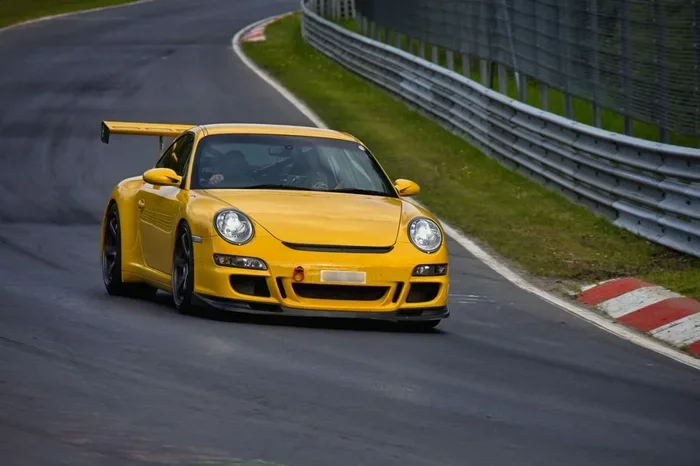
Third, Porsche has a long history of racing success. The brand has won countless races at famous circuits like Le Mans and the Nürburgring. These victories have cemented Porsche’s reputation as a leader in German motorsport.
Finally, the Porsche driving experience is unmistakably German. The cars are engineered to deliver precise handling, powerful acceleration, and a sense of control. This driving feel is something that Porsche owners cherish and that sets the brand apart from competitors.
Quick Tips for Prospective Porsche Buyers
- Research the model you want: Each Porsche has its own strengths. Decide what matters most to you, whether it is speed, comfort, or practicality.
- Visit a Porsche Centre: Test driving a Porsche is the best way to understand the brand. Visit a local dealer to experience the cars firsthand.
- Consider maintenance costs: Porsche parts and service can be expensive. Factor in ownership costs before making a purchase.
- Look into certified pre-owned options: A used Porsche can offer great value. Certified pre-owned models come with warranties and inspections.
- Join a Porsche club: Connecting with other Porsche owners is a great way to learn more about the brand and share experiences.
Common Mistakes People Make When Buying a Porsche
- Skipping the test drive: Always test drive before buying. A Porsche is a significant investment, and you want to make sure it feels right to you.
- Ignoring maintenance history: A Porsche’s maintenance history matters a lot. Always request full service records before purchasing a used model.
- Overlooking insurance costs: Luxury sports cars often have higher insurance premiums. Get a quote before you commit to a purchase.
- Choosing style over substance: While Porsche cars look amazing, focus on performance and features that match your driving needs.
Expert Insights on Porsche and German Automotive Culture
Industry experts often point to Porsche as a prime example of German automotive excellence. The brand has managed to stay relevant for nearly a century by adapting to changing times while preserving its core identity.
“Porsche represents the best of what German engineering has to offer,” says automotive analyst Mark Ressler. “The brand combines tradition with innovation in a way that few others can match.”
Porsche’s ability to evolve while staying true to its roots is remarkable. The introduction of the Taycan shows that the brand is ready to embrace the future of electric mobility. At the same time, the 911 continues to be refined and improved, proving that some things truly are timeless.
The German automotive industry as a whole continues to lead the world in innovation. Porsche plays a key role in this story. The brand’s commitment to quality, performance, and precision engineering sets the standard for luxury sports cars everywhere.
Key Takeaways
- Porsche is a German brand: Founded in Stuttgart, Germany, by Ferdinand Porsche in 1931.
- Headquarters remain in Germany: Porsche AG is still based in Stuttgart-Zuffenhausen, Germany.
- German engineering is core to the brand: Every Porsche model is designed with precision and performance in mind.
- Some models are assembled elsewhere: Certain Porsche vehicles, like the Cayenne, are built in other countries too.
- Porsche blends heritage with innovation: The brand combines traditional German craftsmanship with modern technology.
- Porsche competes with other European luxury brands: Brands like BMW, Mercedes-Benz, and Audi share the German luxury market.
- Owning a Porsche means owning a piece of automotive history: The brand has a rich racing and design legacy.
Conclusion
So, is a Porsche German? The answer is a resounding yes. Porsche is a German car manufacturer with deep roots in Stuttgart, Germany. The brand was founded by Ferdinand Porsche in 1931, and its headquarters remain in Germany to this day. Every Porsche reflects the precision, quality, and performance that German engineering is known for.
While some Porsche models are assembled outside of Germany, the design, engineering, and quality standards are all set in Germany. The brand’s connection to its German heritage is stronger than ever, even as it expands into new markets and embraces new technologies like electric vehicles.
Whether you are drawn to the iconic 911, the versatile Cayenne, or the futuristic Taycan, owning a Porsche means becoming part of a rich automotive tradition. The brand continues to set the standard for luxury sports cars around the world. If you are considering a Porsche, you are investing in a piece of German automotive history that will bring joy for years to come.
Take the time to research, test drive, and find the Porsche that fits your lifestyle. The experience of owning and driving a Porsche is something truly special. It is a celebration of German craftsmanship, performance, and the timeless pursuit of automotive perfection.
Frequently Asked Questions
Is Porsche a German car company?
Yes, Porsche is a German car company. It was founded in Stuttgart, Germany, in 1931 by Ferdinand Porsche. The company’s headquarters are still located in Stuttgart-Zuffenhausen, Germany, and all Porsche vehicles are designed and engineered there.
Where is Porsche made?
Porsche vehicles are primarily made in Germany. The main factory in Stuttgart-Zuffenhausen produces the 911 and 718 models. The Cayenne SUV is assembled at the Volkswagen Group factory in Leipzig, Germany. Both facilities are located in Germany.
Who founded Porsche?
Ferdinand Porsche founded the company in 1931. He was a visionary automotive engineer who also designed the Volkswagen Beetle. His legacy continues to shape the brand’s identity and commitment to German engineering excellence.
Are all Porsche cars built in Germany?
Most Porsche cars are built in Germany, but some assembly happens at Volkswagen Group facilities within the country. For example, the Cayenne is built in Leipzig, which is also in Germany. Porsche maintains strict German quality standards across all its production locations.
What makes Porsche a German luxury brand?
Porsche is considered a German luxury brand because of its origins, engineering standards, and design philosophy. The brand is known for precision craftsmanship, high-performance engines, and a driving experience that reflects the best of German automotive culture.
How does Porsche compare to other German car brands?
Porsche stands out for its focus on sports car performance. While brands like BMW and Mercedes-Benz make a wide range of vehicles, Porsche stays dedicated to sports cars and SUVs. This focus has helped Porsche build a unique and passionate following worldwide.