How to Put Oil in Engine Car Mechanic 2018 Made Easy
Learning how to put oil in engine car mechanic 2018 style is simpler than most people think. This guide walks you through every step, from choosing the right motor oil type to safely pouring it into your engine. You will also learn about oil capacity, oil filter replacement, and common mistakes to avoid. By the end, you will feel confident handling this essential engine maintenance task on your own.
Key Takeaways
- Choose the right oil: Always match your viscosity rating and oil type to your vehicle manual.
- Gather tools first: Have your oil catch pan, funnel, dipstick, and jack stands ready before starting.
- Follow step-by-step instructions: Locate the fill cap, pour slowly, and check the level with the dipstick.
- Avoid common mistakes: Do not overfill, skip the oil filter check, or ignore oil pressure warnings.
- Know when to call a pro: If you notice leaks, low oil pressure, or unusual engine sounds, seek professional help.
- Stay on schedule: Follow your vehicle maintenance schedule and oil change interval for best results.
📑 Table of Contents
Understanding Your Engine Oil Needs
Before you open any bottle, you need to understand what your engine actually requires. Every car has specific needs when it comes to engine lubrication. Using the wrong oil can cause serious damage over time. This is why the how to put oil in engine car mechanic 2018 approach starts with knowledge, not just action.
Think of engine oil as the lifeblood of your vehicle. It reduces friction between moving parts. It keeps things cool. It prevents wear and tear. Without the right oil, your engine simply cannot perform at its best. Let us break this down into easy-to-understand pieces.
What Type of Oil Does Your Car Need?
There are two main motor oil types you should know about. The first is conventional oil. This is the standard option. It works well for older vehicles or those with simpler engines. The second is synthetic oil. This is a higher-performance option. It flows better in cold weather. It also lasts longer between changes.
Your vehicle manual will tell you which one to use. Look for the viscosity rating. This is the number like 5W-30 or 10W-40 you see on every oil bottle. The first number tells you how the oil flows in cold temperatures. The second number tells you how it performs at engine operating temperature. Always match this rating exactly.
Checking Your Oil Level the Right Way
You should check your oil level before adding any new oil. Pull out the dipstick. Wipe it clean with a rag. Push it back in fully. Then pull it out again and look at the oil line. There are usually two marks on the dipstick. One says “Full” and the other says “Add.”
If the oil line is between these two marks, you are in good shape. If it is below the “Add” line, you need to add oil. If it is above “Full,” do not add more. Overfilling can be just as bad as underfilling. It can cause oil pressure problems and even damage your engine seals.
Tools and Materials You Will Need
Having the right tools makes any job easier. This is a key part of the how to put oil in engine car mechanic 2018 process. You do not need a fancy garage. You just need a few basic items.
Here is your checklist of what to gather before you start:
- The correct engine oil — Check your manual for the exact amount and type needed.
- A clean funnel — This prevents spills and makes pouring much easier.
- An oil catch pan — You will need this if you are also changing the oil, not just topping off.
- Jack stands — These keep your car secure while you work underneath.
- A socket wrench — For removing the oil drain plug if you are draining old oil.
- A new oil filter — Replace this every time you change your oil.
- A torque wrench — This ensures you tighten bolts to the correct specification.
- Rags or paper towels — For cleaning up spills and wiping the dipstick.
- Gloves and safety glasses — Protect your hands and eyes from hot oil and debris.
Once you have everything laid out, you are ready to begin. Organization saves time and prevents mistakes. Trust me on this one.
Step-by-Step Guide to Adding Oil
Now for the main event. This is the core of the how to put oil in engine car mechanic 2018 process. Follow these steps carefully and you will do a great job.
Step 1: Let the Engine Cool Down
Never add oil to a hot engine right after driving. Wait at least 10 to 15 minutes. Hot oil can splash and cause burns. Let the engine cool to a safe temperature. This also gives the oil time to drain back into the oil pan so your dipstick reading is accurate.
Step 2: Locate the Oil Fill Cap
Open your hood and look for the oil fill cap. It is usually on top of the engine. The cap often has an oil can symbol on it. If you cannot find it, check your vehicle manual. The cap should twist off or pop off easily.
Once you remove the cap, set it somewhere safe. You do not want to lose it. Place it upside down on a clean surface so nothing falls inside.
Step 3: Insert the Funnel
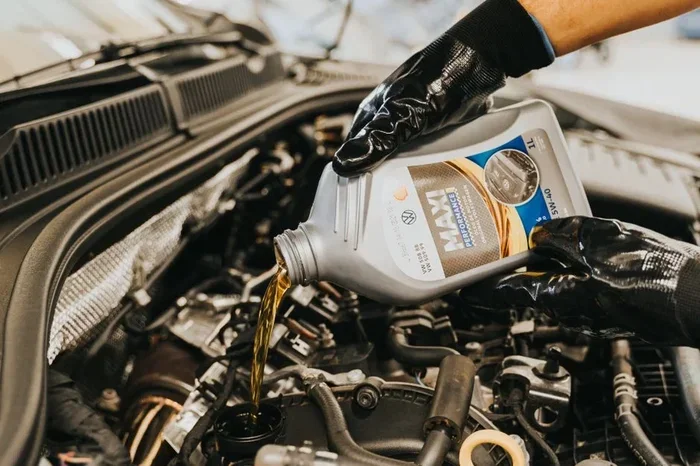
This is a step many people skip. Using a funnel is a simple way to prevent spills. Place the funnel snugly into the oil fill opening. Make sure it sits securely so oil does not splash out as you pour.
Step 4: Pour the Oil Slowly
Now pour the oil in slowly. Do not rush this. Pour in small amounts. After each pour, wait a moment and then check the dipstick again. This helps you avoid overfilling. Remember, you can always add more. You cannot easily remove too much.
Keep pouring until the dipstick shows the oil level between “Add” and “Full.” Once you reach the right level, remove the funnel carefully.
Step 5: Replace the Fill Cap and Check for Leaks
Screw the oil fill cap back on tightly. Then start the engine and let it run for about 30 seconds. Listen carefully. Do you hear any unusual sounds? Walk around the car and look underneath for any fresh oil drips. This quick check confirms everything is working properly.
After the engine is off, wait a few minutes and check the dipstick one more time. The oil level may settle slightly. Top off if needed.
Common Mistakes to Avoid
Even experienced DIYers make mistakes. Here are the most common errors people make when adding oil. Avoid these and you will save yourself a lot of trouble.
Overfilling the Engine
Too much oil is just as dangerous as too little. When the oil level is too high, the crankshaft can whip the oil into a foam. This foam does not lubricate properly. It can lead to oil pressure drops and even engine damage. Always stay between the two dipstick marks.
Using the Wrong Oil Type
Not all oils are created equal. Using the wrong viscosity rating can affect engine performance. It can also void your warranty. Always check your owner manual. Never guess when it comes to oil type.
Skipping the Oil Filter
If you are doing a full oil change and not just a top-off, never skip the oil filter replacement. The filter catches contaminants and keeps your engine clean. A clogged filter restricts oil flow. This leads to poor engine lubrication and potential wear on internal parts.
Ignoring Leaks
After adding oil, always look for leaks underneath the car. A small drip today can become a big problem tomorrow. Check around the oil drain plug and the oil filter gasket. If you see any wet spots, tighten or replace as needed.
Quick Tips for Better Engine Health
Want to keep your engine running strong for years? These car maintenance tips will help you get the most out of every oil change.
- Stick to your oil change interval. Most cars need an oil change every 5,000 to 7,500 miles. Check your manual for the exact number.
- Keep a maintenance log. Write down every oil change date and mileage. This helps you stay on track and makes resale easier.
- Check your oil monthly. A quick dipstick check takes only two minutes. It can catch problems early before they become expensive repairs.
- Do not ignore warning lights. If your oil pressure light comes on, pull over safely and check your oil level immediately.
- Recycle your old oil properly. Take used oil to a recycling center or auto parts store. Never dump it on the ground or in the trash.
These small habits add up to big savings. They also keep your vehicle running smoothly and safely on the road.
When to See a Professional Mechanic
There is no shame in calling a professional. Some situations are best left to experts. If you notice any of the following signs, it is time to visit a trusted mechanic.
- Your oil pressure gauge reads consistently low even after adding oil.
- You see blue or gray smoke coming from the exhaust.
- Your engine makes knocking or ticking sounds that do not go away.
- You find large puddles of oil under your car after parking overnight.
- The oil gasket appears damaged or is leaking steadily.
- You are unsure about any step in the engine oil change process.
A professional mechanic has the experience and tools to diagnose issues quickly. They can also perform a full undercarriage inspection and address problems you might not notice. Regular professional checkups complement your DIY efforts perfectly.
Comparison Table: Conventional vs Synthetic Oil
| Feature | Conventional Oil | Synthetic Oil |
|---|---|---|
| Best For | Older vehicles, low-mileage drivers | Modern engines, high-performance vehicles |
| Price Range | More affordable | Higher cost |
| Change Interval | Every 3,000 to 5,000 miles | Every 7,500 to 10,000 miles |
| Cold Weather Performance | Good | Excellent |
| Engine Protection | Adequate for standard use | Superior protection under stress |
| Availability | Widely available | Widely available |
Both options are perfectly valid. Your choice depends on your vehicle, driving habits, and budget. When in doubt, follow what your vehicle manual recommends. This is the best advice any car mechanic will give you.
Final Thoughts
Learning how to put oil in engine car mechanic 2018 style gives you real confidence as a car owner. You do not need to be a trained professional to handle this basic maintenance task. With the right oil, the right tools, and a little patience, you can keep your engine running smoothly for miles to come.
Remember to always check your vehicle maintenance schedule. Stay consistent with your oil change interval. And never ignore warning signs like low oil pressure or unusual engine sounds. Your engine works hard every day. Giving it the care it deserves through proper engine lubrication and regular engine maintenance is one of the best investments you can make.
Start small. Check your oil this week. Add oil if needed. Follow the steps in this guide and you will be surprised how easy it really is. Over time, these simple routines become second nature. And that is the mark of a smart, responsible car owner.
Frequently Asked Questions
How often should I check my engine oil level?
You should check your oil level at least once a month. It is also a good idea to check it before any long road trip. A quick check with the dipstick takes only a couple of minutes and can prevent serious engine problems.
Can I mix conventional oil with synthetic oil?
Yes, you can mix them in an emergency. However, it is best to stick with one type consistently. Mixing oils does not cause immediate damage, but it can reduce the overall performance benefits of synthetic oil. Always try to use the same oil type for your next change.
What happens if I overfill my engine with oil?
Overfilling causes the crankshaft to whip the excess oil into foam. This foamy oil does not lubricate properly. It can lead to oil pressure issues, engine misfires, and even seal damage. If you overfill, drain the excess oil carefully to the correct level.
Do I need to change the oil filter every time?
Yes, you should replace the oil filter every time you change your oil. The filter traps dirt, metal particles, and other contaminants. A clean filter ensures proper oil flow and protects your engine from premature wear. It is a small cost for big protection.
What is the difference between 5W-30 and 10W-40 oil?
The first number (5W or 10W) measures cold-weather flow. A lower number means better flow in cold temperatures. The second number (30 or 40) measures thickness at operating temperature. A higher number means the oil stays thicker in heat. Always use the rating recommended in your vehicle manual.
Is it safe to add oil while the engine is warm?
It is safer to let the engine cool for 10 to 15 minutes before adding oil. Hot oil can splash and cause burns. Waiting also allows the oil to settle, giving you a more accurate dipstick reading. A short wait is a simple safety step that makes the job easier and safer.