How Do You Know If Your Car Is Mixing Oil and Water
Oil and water mixing in your car is a serious problem that can destroy your engine if ignored. You can spot the signs by checking for milky oil, white exhaust smoke, and unexplained coolant loss. A simple oil cap inspection and coolant check can reveal early warning signs before major damage occurs. This guide walks you through every symptom, test, and fix you need to know. Acting fast can save you thousands in engine repairs.
Your car’s engine relies on two completely separate systems. One system uses oil to lubricate moving parts. The other uses coolant to keep temperatures in check. When these two fluids start to mix, things go wrong fast. So, how do you know if your car is mixing oil and water? The answer lies in a few clear warning signs that any car owner can spot.
Understanding these signs can save you from a blown engine. It can also save you thousands of dollars in repairs. Whether you are a seasoned driver or a complete beginner, this guide will help you identify the problem early. Let us walk through every symptom, test, and solution step by step.
Key Takeaways
- Milky or frothy oil is the #1 visual sign that oil and water are mixing in your engine.
- White smoke from the exhaust, especially thick and sweet-smelling, points to coolant entering the combustion chamber.
- A simple oil cap check and coolant reservoir inspection can catch the problem early.
- Ignoring the signs leads to catastrophic engine failure and costly repairs.
- Head gasket failure is the most common cause of oil and water mixing.
- DIY tests like the coolant pressure test and oil dipstick check are easy and effective.
- Regular car maintenance can prevent oil and water mixing problems before they start.
📑 Table of Contents
- Why Oil and Water Should Never Mix in Your Engine
- Top Warning Signs Your Car Is Mixing Oil and Water
- Common Causes of Oil and Water Mixing
- Simple DIY Tests to Check for Oil and Water Mixing
- Comparison Table: Oil and Water Mixing vs. Normal Engine Operation
- What Happens If You Ignore the Problem
- How to Fix Oil and Water Mixing in Your Car
- Prevention Tips to Keep Oil and Water Separate
- When to See a Mechanic
- Final Thoughts
Why Oil and Water Should Never Mix in Your Engine
Oil and water do not mix. This is basic science. In your engine, they serve completely different purposes. Engine oil lubricates pistons, bearings, and crankshafts. Coolant absorbs heat and carries it away through the radiator. When these two fluids combine, the oil loses its lubricating power. The coolant loses its cooling ability. The result is friction, heat, and eventually, engine damage.
Here is what happens when oil and water mix inside your engine:
- Oil loses its viscosity. It becomes thin and unable to protect engine parts.
- Coolant cannot regulate temperature. Your engine starts to overheat.
- Combustion gases leak into the cooling system. This creates pressure buildup.
- Metal parts grind against each other. This causes wear and permanent damage.
- Sludge forms inside the engine. This clogs passages and restricts flow.
The longer this mixture sits inside your engine, the worse the damage gets. That is why knowing the warning signs matters so much.
Top Warning Signs Your Car Is Mixing Oil and Water
Your car gives you plenty of clues when oil and water start mixing. The key is knowing what to look for. Below are the most common signs that something is wrong with your engine’s fluid systems.
1. Milky or Frothy Oil on the Dipstick
This is the most obvious sign. Pull out your oil dipstick and look at the oil color. Healthy oil is amber or brown. If you see a milky, frothy, or chocolate-milk-like substance, water has entered your oil system. This is called oil emulsification. It happens when coolant leaks into the oil passages.
Do not ignore this. Even a small amount of water in your oil can cause serious problems. The milky appearance means the two fluids have already combined.
2. White Smoke From the Exhaust
Everyone knows that exhaust smoke can tell you a lot about your engine. Here is what different colors mean:
- White smoke: Often signals coolant burning in the combustion chamber.
- Blue smoke: Means oil is burning.
- Black smoke: Indicates too much fuel in the mix.
If you see thick white smoke that smells sweet, coolant is likely mixing with oil and burning. This is one of the strongest signals that your head gasket may be failing.
3. Unexplained Coolant Loss
Check your coolant reservoir regularly. If the coolant level drops without any visible leaks, something is wrong. The coolant may be leaking into the oil system or burning in the engine. This is a silent but serious sign of oil and water mixing.
4. Overheating Engine
When coolant mixes with oil, it loses its ability to cool the engine. Your temperature gauge may start climbing. If your car overheats frequently, this could be the reason. An overheating engine can warp cylinder heads and crack the engine block if not addressed quickly.
5. Oil Pressure Warning Light
Water in your oil reduces its ability to maintain proper oil pressure. If your dashboard shows an oil pressure warning, check the oil immediately. Low oil pressure means your engine parts are not getting the lubrication they need.
6. Bubbles in the Coolant Reservoir
Open your coolant reservoir cap (when the engine is cool) and look inside. If you see bubbles or froth, combustion gases are leaking into the cooling system. This is a strong indicator of a blown head gasket and oil mixing with coolant.
Common Causes of Oil and Water Mixing
Now that you know the signs, let us talk about why this happens. Understanding the root causes helps you prevent the problem from occurring in the first place.
Blown Head Gasket
The head gasket sits between the engine block and the cylinder head. It seals the combustion chamber and keeps oil and coolant in their separate channels. When the head gasket fails, coolant can leak into the oil passages and oil can leak into the coolant system. This is the most common cause of oil and water mixing in cars.
Common reasons for head gasket failure include:
- Engine overheating over time. Repeated heat cycles weaken the gasket.
- Age and wear. Older engines are more prone to gasket failure.
- Improper installation. A poorly installed gasket can fail early.
- Hot spots in the engine. Some engines run hotter in certain areas.
Cracked Cylinder Head or Engine Block
In severe cases, the cylinder head or engine block itself can crack. This allows coolant to seep into oil galleries or combustion chambers. Cracks often result from repeated overheating or freezing conditions. If your engine block cracks, the repair cost can be very high.
Faulty Oil Cooler or Coolant Heat Exchanger
Some vehicles have an oil cooler that uses coolant to regulate oil temperature. If this unit fails, oil and coolant can mix directly. This is more common in performance vehicles and trucks with towing packages.
Worn Piston Rings or Cylinder Walls
When piston rings wear out, combustion gases can push past the rings and into the crankcase. These gases create pressure that can force coolant into the oil system. This is a slower process but equally damaging over time.
Simple DIY Tests to Check for Oil and Water Mixing
You do not need a mechanic to check for oil and water mixing. A few simple tests at home can give you strong clues. Here are the best ones to try.
The Oil Cap Inspection Test
Pop open your oil filler cap and look inside. If you see a brownish, milky residue under the cap, moisture has entered the oil system. A small amount of moisture is normal in humid conditions. But a thick, creamy layer is a red flag.
The Dipstick Check
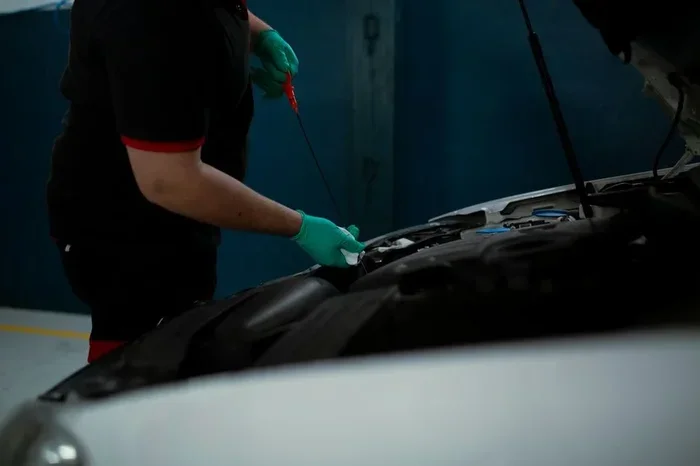
Pull the dipstick and wipe it clean. Reinsert it fully, then pull it out again. Look at the oil color on the stick. Healthy oil should be amber or light brown. If it looks like a chocolate milkshake, water has contaminated your oil.
The Coolant Pressure Test
A mechanic can perform a coolant pressure test to check for combustion gases in the cooling system. This test uses a special tool that attaches to the radiator. If the pressure drops or gases are detected, your head gasket may be leaking.
The Block Test (Combustion Gas Test)
This test uses a chemical fluid that changes color when it detects combustion gases in the coolant. A positive result means exhaust gases are leaking into the cooling system. This strongly indicates a head gasket failure or cracked head.
Comparison Table: Oil and Water Mixing vs. Normal Engine Operation
Understanding the difference between a healthy engine and one with fluid mixing helps you act faster. Here is a side-by-side comparison.
| Aspect | Normal Operation | Oil and Water Mixing |
|---|---|---|
| Oil Color | Amber to brown | Milky, frothy, or chocolate-colored |
| Exhaust Smoke | Clear or very faint | Thick white smoke with sweet smell |
| Coolant Level | Stable between flushes | Dropping without visible leaks |
| Engine Temperature | Steady within normal range | Overheating or fluctuating |
| Oil Cap Interior | Clean, dry, or slight moisture | Thick creamy residue or bubbles |
| Oil Pressure | Consistent and stable | Dropping or fluctuating |
| Coolant Reservoir | Clear fluid, no bubbles | Bubbles or froth visible |
What Happens If You Ignore the Problem
Some car owners notice the warning signs but choose to ignore them. This is a costly mistake. Here is what can happen if you do not address oil and water mixing in your engine.
Engine Seizure
Water in the oil creates friction between metal parts. Without proper lubrication, bearings fail. Pistons seize. The engine locks up completely. At this point, a full engine replacement is usually the only option.
Cracked Engine Block
Repeated overheating from coolant loss weakens the engine block. Cracks develop over time. A cracked engine block means the engine cannot be repaired. It must be replaced.
Catalytic Converter Damage
When coolant burns in the combustion chamber, it releases harmful byproducts. These byproducts damage the catalytic converter. Replacing a catalytic converter is one of the most expensive repairs a car owner can face.
Costly Repair Bills
The cost of fixing oil and water mixing depends on the cause. A head gasket replacement can range from $1,000 to $2,500. A cracked engine block can cost $3,000 or more. Engine replacement can exceed $5,000. Early detection saves a lot of money.
— Certified Master Mechanic with 20+ years of experience
How to Fix Oil and Water Mixing in Your Car
Once you confirm that oil and water are mixing, you need to take action. The fix depends on the root cause. Here are the most common solutions.
Head Gasket Replacement
If a blown head gasket is the cause, you will need a professional replacement. The mechanic removes the cylinder head, installs a new gasket, and reassembles everything. This is a labor-intensive repair but very effective when done correctly.
Engine Block or Head Repair
For cracks in the cylinder head or engine block, a machine shop can perform a weld or epoxy repair. In severe cases, the head or block must be replaced entirely. Some shops offer line honing or block sleeving for more affordable alternatives.
Oil and Coolant System Flush
After any repair, both the oil system and coolant system need a thorough flush. Old contaminated oil and coolant must be completely removed. Fresh oil and coolant are then added to ensure clean operation.
Oil Cooler Replacement
If a faulty oil cooler is the culprit, replacing it solves the problem. This is a simpler and less expensive repair compared to a head gasket job.
Prevention Tips to Keep Oil and Water Separate
The best way to deal with oil and water mixing is to prevent it from happening. Here are some practical tips to keep your engine healthy.
- Check your oil regularly. Pull the dipstick at least once a month. Look for color changes or milky residue.
- Monitor your coolant level. Keep an eye on the reservoir. Unexplained drops deserve immediate attention.
- Watch your temperature gauge. If it rises above normal, stop and check the engine.
- Change your oil on schedule. Fresh oil maintains proper viscosity and protects engine parts.
- Use the right coolant. Always use the coolant type recommended by your car manufacturer.
- Address overheating immediately. Do not keep driving an overheating car. Pull over and let it cool.
- Perform regular maintenance. Routine inspections catch small problems before they become big ones.
When to See a Mechanic
Some checks you can do at home. Others require professional tools and expertise. You should see a mechanic if:
- You see milky oil on the dipstick or oil cap.
- White exhaust smoke persists for more than a few minutes.
- Your coolant level drops frequently with no visible leaks.
- The engine temperature gauge reads higher than normal.
- You notice bubbles in the coolant reservoir.
- Your oil pressure warning light stays on.
A qualified mechanic can perform a combustion leak test and a cooling system pressure test to confirm the diagnosis. These tests give you a clear picture of what is happening inside the engine.
Do not delay. The longer you wait, the more expensive the repair becomes. A small head gasket leak today can become a cracked engine block tomorrow.
Final Thoughts
Knowing how do you know if your car is mixing oil and water can save you from a major headache. The signs are there, and they are not hard to spot. Milky oil, white exhaust smoke, unexplained coolant loss, and overheating are all clear indicators. A few simple DIY tests can confirm your suspicions before you visit a mechanic.
The most important thing to remember is this: do not ignore the warning signs. Oil and water mixing is not a problem that fixes itself. It gets worse over time and leads to expensive repairs. Take action at the first sign of trouble. Your engine will thank you for it.
Stay proactive with your car maintenance. Check your fluids regularly. Watch for changes in color, smell, and level. And when something does not look right, get it checked out. A little attention today can keep your car running smoothly for years to come.
Frequently Asked Questions
What does milky oil on the dipstick mean?
Milky oil on the dipstick means water has mixed with your engine oil. This is called oil emulsification and usually indicates a head gasket leak or coolant contamination. You should address this problem immediately to prevent engine damage.
Can I still drive my car if oil and water are mixing?
You should not drive your car if oil and water are mixing. Even short drives can cause serious damage. Water in the oil reduces lubrication and increases friction. This can lead to seized bearings and engine failure. Have your car towed to a mechanic instead.
How much does it cost to fix a blown head gasket?
A head gasket replacement typically costs between $1,000 and $2,500. The exact price depends on your car model, labor rates in your area, and whether any other parts need replacement. Getting the repair done early saves money compared to replacing the entire engine.
What is the difference between white exhaust smoke and steam?
Steam from the exhaust is thin and disappears quickly. It is normal on cold mornings. White exhaust smoke from a mixing problem is thick, persistent, and often has a sweet smell. If the smoke does not go away after the engine warms up, have your car inspected.
Can a simple oil change fix oil and water mixing?
An oil change alone will not fix the underlying problem. It replaces contaminated oil with fresh oil, but the water source is still there. You must identify and repair the cause, whether it is a head gasket, cracked head, or faulty oil cooler. Then flush both systems before refilling.
How can I prevent oil and water mixing in my engine?
Regular maintenance is the best prevention. Check your oil and coolant levels monthly, watch for overheating, and change fluids on schedule. Address any overheating issues immediately. Using the correct coolant and quality oil also helps keep your engine in top shape.