Wrong Oil in Car Symptoms That You Should Never Ignore
Putting the wrong oil in your car can lead to serious engine problems if you don’t catch it early. Knowing the wrong oil in car symptoms helps you act fast and avoid costly repairs. From dark smoke to grinding noises, these warning signs are your car’s way of telling you something is very wrong. This guide covers every symptom, cause, and fix in plain, simple language. Read on to protect your engine and your wallet.
You just got your oil changed, and everything seems fine. But a few days later, your car starts acting strange. Maybe it makes a weird noise. Maybe the check engine light flickers on. Or perhaps you notice a burnt smell coming from under the hood.
These could all be wrong oil in car symptoms. And they are not things you should brush off. Using the wrong type of oil in your vehicle is more common than you think. It happens when the oil viscosity, grade, or formulation does not match what your engine needs. The result can range from minor performance drops to severe engine damage.
This article breaks down every symptom you need to watch for. We will explain why wrong oil causes problems, how to spot the warning signs early, and what to do if you have already made the mistake. Whether you are a seasoned driver or a complete beginner, this guide will help you protect your car.
Let us dive in and make sure your engine stays healthy.
Key Takeaways
- Engine knocking and grinding: Wrong oil viscosity causes metal-to-metal contact, leading to loud, unusual noises.
- Dark or burnt-smelling oil: This is a clear visual and olfactory sign that the oil is breaking down or incompatible.
- Reduced fuel economy: Incorrect oil forces your engine to work harder, burning more gas than normal.
- Check engine light and oil pressure warnings: These dashboard lights often appear when oil isn’t performing correctly.
- Overheating engine: Wrong oil fails to lubricate properly, causing dangerous temperature spikes.
- Oil leaks and sludge buildup: Incompatible oil can degrade seals and create harmful deposits inside the engine.
- Quick action saves money: Catching symptoms early prevents expensive engine repairs and keeps your car running smoothly.
📑 Table of Contents
- What Happens When You Put the Wrong Oil in Your Car
- Common Wrong Oil in Car Symptoms
- How Wrong Oil Affects Your Engine Over Time
- How to Know Which Oil Your Car Needs
- What to Do If You Have Already Used the Wrong Oil
- Preventing Wrong Oil Mistakes in the Future
- Quick Tips to Remember
- Expert Insights on Oil Compatibility
- Key Takeaways
- Conclusion
What Happens When You Put the Wrong Oil in Your Car
Your engine oil does more than just lubricate moving parts. It cools components, reduces friction, prevents corrosion, and carries away dirt and debris. When you use the wrong oil, all of these functions suffer. The oil cannot do its job properly, and your engine starts to pay the price.
Different engines need different oil types. Some require synthetic oil, while others work fine with conventional blends. The key factor is oil viscosity, which refers to how thick or thin the oil is at different temperatures. If the viscosity is too high or too low, the oil will not flow correctly through the engine.
Why Oil Viscosity Matters
Think of oil viscosity like the thickness of honey. Cold honey moves slowly. Warm honey flows more easily. Engine oil works the same way. In cold weather, you need oil that flows quickly to protect engine parts during startup. In hot weather, you need oil that stays thick enough to maintain a proper lubricating layer.
When the viscosity is wrong, you get either too little protection or too much resistance. Both scenarios harm your engine over time. This is why manufacturers specify an exact oil grade, such as 5W-30 or 10W-40, for each vehicle model.
The Role of Oil Additives
Beyond viscosity, oil contains additives that improve performance. These include detergents, anti-wear agents, and antioxidants. Different oil brands use different additive packages. Sometimes, even the correct viscosity grade can cause problems if the additive formulation is incompatible with your engine materials.
For example, some older engines have seals made from materials that react poorly to certain additive packages. This can lead to swelling, shrinking, or cracking of seals, which causes leaks. Always check your owner’s manual before choosing an oil product.
Common Wrong Oil in Car Symptoms
The symptoms of using wrong oil can appear gradually or suddenly. Some signs show up within a few drives, while others develop over weeks or months. Here are the most common wrong oil in car symptoms to watch for.
Dark or Dirty Oil
Healthy oil is typically amber or golden in color. It darkens naturally as it collects particles during normal use. However, if your oil turns very dark or black shortly after an oil change, something is wrong. Incompatible oil can break down faster than it should, losing its ability to clean and protect the engine.
Check your dipstick regularly. If the oil looks gritty, extremely dark, or has a burnt smell, it may not be the right type for your engine. This is one of the easiest engine oil symptoms to spot at home.
Unusual Engine Noises
Your engine should run quietly and smoothly. If you hear knocking, ticking, or grinding sounds, the oil may not be reaching all the moving parts. Wrong viscosity oil fails to create a proper lubricating film between metal surfaces.
Engine knocking is especially dangerous. It happens when the air-fuel mixture ignites unevenly in the cylinders. While knocking can have several causes, insufficient lubrication from incorrect oil is a common culprit. Do not ignore these sounds. They are your engine screaming for help.
Oil Leaks
Using the wrong oil can cause seals and gaskets to deteriorate. Some oil formulations are too thin for certain engines, allowing oil to seep past seals. Others cause rubber seals to swell or shrink, creating gaps where oil can escape.
You might notice oil spots under your parked car. Or you may see oil residue around the engine block. Oil leaks not only waste oil but also expose engine parts to air and dirt, accelerating wear and tear.
Burning Oil Smell
A strong burning smell inside or outside your car is never normal. When wrong oil overheats, it breaks down and produces a distinct burnt odor. This often happens because the oil cannot handle the engine’s operating temperature.
Oil burning can also mean the oil is leaking onto hot engine components, such as the exhaust manifold. Either way, a burning smell demands immediate attention. Pull over safely and check your oil level if you notice this symptom.
Reduced Fuel Economy
Have you noticed you are visiting the gas station more often? Wrong oil can reduce your fuel economy significantly. When oil is too thick or too thin, the engine has to work harder to overcome internal friction.
This extra work burns more fuel. You might not notice a small drop in mileage at first, but over time, the difference adds up. If your fuel costs have crept up without any other explanation, consider whether your recent oil change used the correct type.
Check Engine Light and Oil Pressure Warnings
Your car’s dashboard is packed with sensors that monitor engine health. When something goes wrong with the oil, these sensors often trigger warning lights. The check engine light and the oil pressure warning light are the two most common indicators.
A low oil pressure warning means the oil is not flowing properly through the engine. This can happen when the viscosity is wrong or when the oil has broken down prematurely. Never drive with either of these lights on. Pull over and investigate the cause immediately.
How Wrong Oil Affects Your Engine Over Time
Short-term symptoms are one thing, but long-term damage from wrong oil is far more serious. If you continue driving with incorrect oil, the effects compound over time. Here is what can happen inside your engine.
Oil Sludge Buildup
Over time, wrong oil can form a thick, dark substance called oil sludge. Sludge clogs oil passages and prevents oil from reaching critical engine components. It acts like a blanket that traps heat and blocks lubrication.
Sludge buildup is one of the leading causes of premature engine failure. It develops slowly, so you might not notice it until the damage is already significant. Regular oil changes with the correct oil type are the best way to prevent sludge.
Increased Engine Wear
Engine parts like pistons, crankshafts, camshafts, and bearings all rely on a constant supply of clean, properly formulated oil. Wrong oil reduces the protective film between these metal parts. This leads to increased friction, heat, and wear.
Over months and years, this wear adds up. Components degrade faster, and you may face expensive repairs like engine rebuilds or replacements. Protecting your engine starts with using the right oil from day one.
Engine Overheating
Oil plays a vital role in cooling your engine, especially in areas that the coolant cannot reach. When wrong oil circulates through the engine, it may not absorb or transfer heat effectively.
This can cause the engine to run hotter than normal. Overheating leads to warped parts, blown gaskets, and in severe cases, a cracked engine block. If your temperature gauge starts climbing, check the oil first before assuming it is a coolant problem.
How to Know Which Oil Your Car Needs
Prevention is always better than cure. The best way to avoid wrong oil in car symptoms is to use the correct oil from the start. Here is how to make sure you are using the right product.
Check Your Owner’s Manual
Your vehicle’s owner manual is the ultimate guide for oil type, viscosity, and change intervals. Every manufacturer tests their engines with specific oil formulations. The manual will list the recommended oil weight, such as 0W-20, 5W-30, or 15W-40.
Do not guess. Do not rely on advice from friends unless they own the exact same car model. Always go by the manufacturer’s recommendation.
Look at the Oil Cap Under the Hood
Many car manufacturers stamp the recommended oil type directly on the oil fill cap. Open your hood and look for a label or engraving on the valve cover. It will usually display the oil viscosity grade and sometimes the required specification, such as API SN or ACEA C3.
This is the fastest way to confirm what oil your car needs. Take a photo of it with your phone so you always have it handy.
Consult a Trusted Mechanic
If you are unsure about which oil to use, ask a trusted mechanic. A professional can recommend the best oil for your engine, driving conditions, and climate. They can also help you choose between synthetic oil, semi-synthetic oil, and conventional oil based on your budget and needs.
What to Do If You Have Already Used the Wrong Oil
Do not panic if you realize you have put the wrong oil in your car. The sooner you act, the less damage you will face. Here is a step-by-step plan to follow.
- Stop driving immediately if you notice severe symptoms. If your engine is making loud knocking sounds, overheating, or the oil pressure light is on, do not keep driving.
- Check the oil level and condition. Use the dipstick to see how much oil is in the engine and what it looks like.
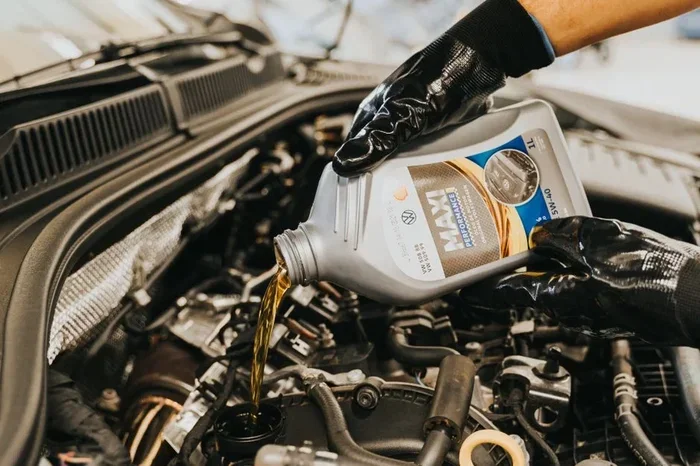
- Drain the wrong oil completely. Take your car to a mechanic or an oil change shop and have them flush the engine and drain the incorrect oil.
- Refill with the correct oil. Once the system is clean, fill the engine with the oil type specified by your manufacturer.
- Change the oil filter. The old filter may contain traces of wrong oil and contaminants. Replace it with a new one.
- Monitor your car closely. After the correct oil is in, watch for any lingering symptoms. If problems persist, have a mechanic inspect the engine for damage.
In most cases, a quick oil change with the correct product resolves the issue completely. But if you drove for a long time with the wrong oil, a more thorough inspection may be necessary.
Preventing Wrong Oil Mistakes in the Future
Once you have fixed the problem, you want to make sure it never happens again. Here are some simple tips to keep your engine protected.
- Always write down your oil type and viscosity and keep it in your glove box.
- Use the same brand and type of oil for every oil change to maintain consistency.
- Do not skip oil changes. Follow the manufacturer’s recommended oil change schedule, which is typically every 5,000 to 7,500 miles for conventional oil and 7,500 to 10,000 miles for synthetic oil.
- Read oil labels carefully before purchasing. Look for the viscosity grade, API certification, and manufacturer approvals.
- Ask questions at the auto shop. Confirm that the mechanic is using the correct oil for your specific vehicle model and year.
- Keep records of every oil change, including the date, mileage, oil type, and shop name.
These small habits add up to big protection for your engine over the life of your car.
Quick Tips to Remember
- Never mix different oil types unless absolutely necessary and only in an emergency.
- Synthetic oil offers better protection in extreme temperatures but is not always required for every vehicle.
- Oil color matters. Fresh oil is amber; dark black oil needs attention.
- Smell your oil regularly. A burnt or chemical smell is a red flag.
- Trust your instincts. If something sounds or feels off with your car, get it checked out.
Expert Insights on Oil Compatibility
According to automotive experts, the most common cause of wrong oil in car symptoms is simply not checking the owner’s manual. Many drivers assume all oils are the same, but this is far from the truth. Modern engines are engineered with tight tolerances that require precise oil formulations.
Experts also warn against relying solely on oil change shop recommendations. While most technicians are knowledgeable, they may not always cross-reference your specific vehicle’s requirements. Always verify the oil type yourself before approving a service.
Another expert tip is to pay attention to oil certification standards. Look for the API donut symbol on the oil bottle. This confirms the oil meets industry performance standards. For European cars, the ACEA specification is equally important.
Key Takeaways
- Wrong oil in car symptoms include engine knocking, dark oil, oil leaks, burning smells, reduced fuel economy, and dashboard warning lights.
- Oil viscosity and additive compatibility are the two most important factors in choosing the right oil.
- Long-term damage from wrong oil includes sludge buildup, increased engine wear, and overheating.
- Check your owner’s manual and oil fill cap to confirm the correct oil type for your vehicle.
- Act quickly if you realize you have used the wrong oil. Drain, flush, refill, and monitor your car.
- Prevention through consistent maintenance and careful record-keeping keeps your engine healthy for years.
Conclusion
Your car depends on the right oil to run smoothly, efficiently, and safely. Wrong oil in car symptoms are not subtle. They show up as strange noises, dark oil, burning smells, warning lights, and poor performance. Ignoring these signs can lead to expensive engine repairs or even complete engine failure.
The good news is that most problems are preventable. By using the correct oil type, sticking to a regular oil change schedule, and paying attention to your car’s warning signs, you can keep your engine in great shape for years to come. If you ever suspect something is wrong, do not wait. Take action immediately.
Your car is one of the biggest investments you will ever make. Treat it right by giving it the right oil. Your engine will thank you every time you turn the key.
Frequently Asked Questions
Can using the wrong oil damage my engine permanently?
Yes, prolonged use of wrong oil can cause permanent engine damage. It leads to increased friction, overheating, sludge buildup, and accelerated wear on internal components. The sooner you correct the problem, the less likely permanent damage becomes.
How quickly do wrong oil in car symptoms appear?
Symptoms can appear within a few drives or take several weeks to develop. It depends on how wrong the oil is and how much you drive. Severe viscosity mismatches often show symptoms quickly, while mild incompatibilities may take longer to become noticeable.
What should I do right after putting the wrong oil in my car?
Stop driving if you notice any severe symptoms. Check the oil level and condition. Then take your car to a mechanic to drain the wrong oil completely, flush the system, and refill with the correct oil type.
Is synthetic oil always better than conventional oil?
Not necessarily. Synthetic oil offers superior performance and protection in extreme conditions, but your engine may not need it. Always follow the manufacturer’s recommendation in your owner’s manual. Using synthetic oil in an engine designed for conventional oil will not necessarily cause problems, but it is an unnecessary expense.
Can I mix different brands of the same oil viscosity?
It is generally not recommended. Different brands use different additive packages that may not be fully compatible. While a small top-up in an emergency is usually fine, you should always stick to one brand and type for a full oil change.
How often should I check my oil level?
You should check your oil level at least once a month and before any long trips. Use the dipstick when the engine is cool and the car is parked on a level surface. This simple habit helps you catch oil problems early before they turn into serious damage.